LUND, SWEDEN
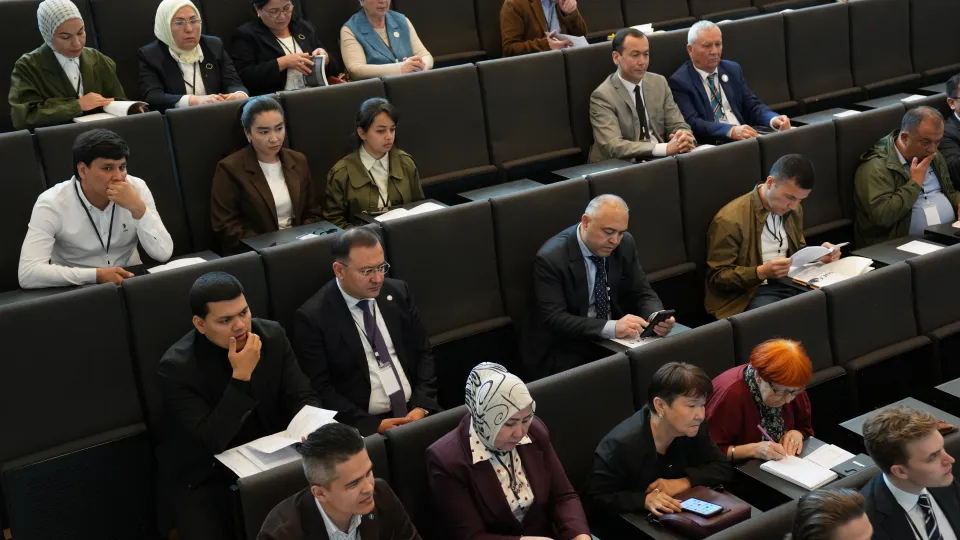
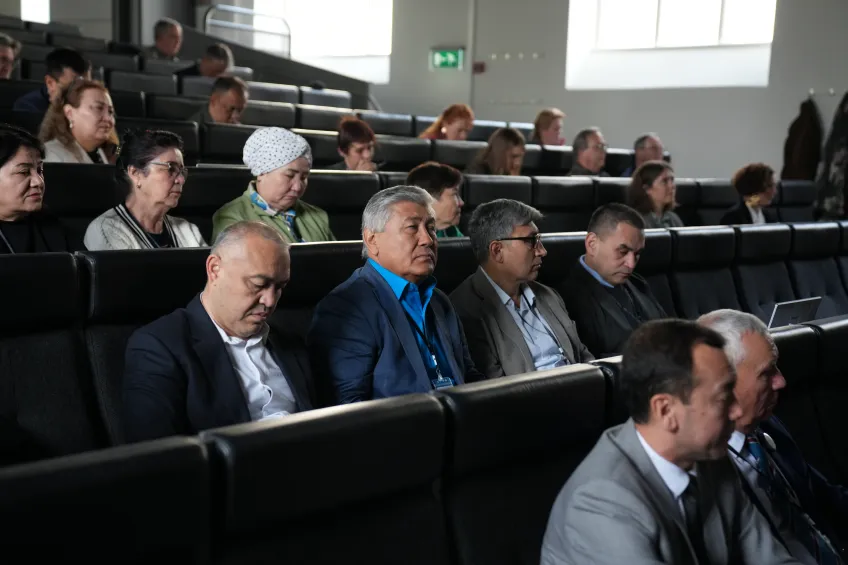
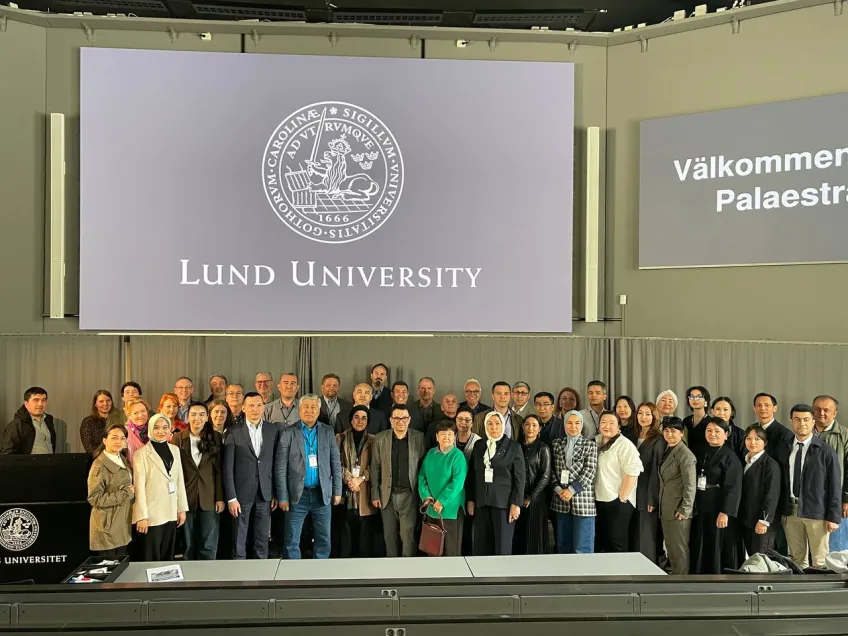
On May 5–6, 2026, the Nordic Central Asian Studies Research Environment (NORCA) convened its first major workshop at Lund University, titled “Mapping the Nordic Research on Central Asia and Establishing Foundations.” The event gathered over 60 scholars, diplomats, and policymakers from across the Nordic region and Central Asia to consolidate research efforts and identify strategic gaps in the field.
Addressing Academic Fragmentation
In his opening address, Professor Rustamjon Urinboyev, Head of the NORCA Research Environment, emphasised that while Central Asia is of growing strategic and economic importance, academic expertise in the Nordic context remains fragmented and dispersed. Researchers often work in isolation within broader fields, such as post-Soviet or Middle Eastern studies.
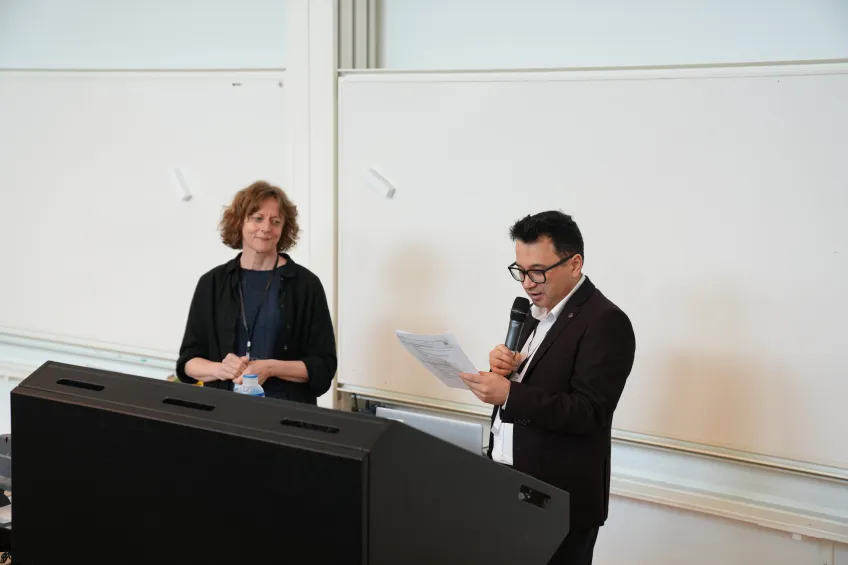
“This workshop marks an important step in building something that has largely been missing in our region: a structured, interdisciplinary, and collaborative research environment dedicated specifically to Central Asia,” Professor Urinboyev stated. The initiative aims to create a shared intellectual space and strengthen Nordic contributions to the study of the region.
Mapping the Field
The two-day program was designed as a collective mapping exercise to understand current research themes and identify opportunities for collaboration. The event featured six thematic panels, a high-level policy panel, and a strategic roadmap session designed to consolidate Nordic research efforts in Central Asia.
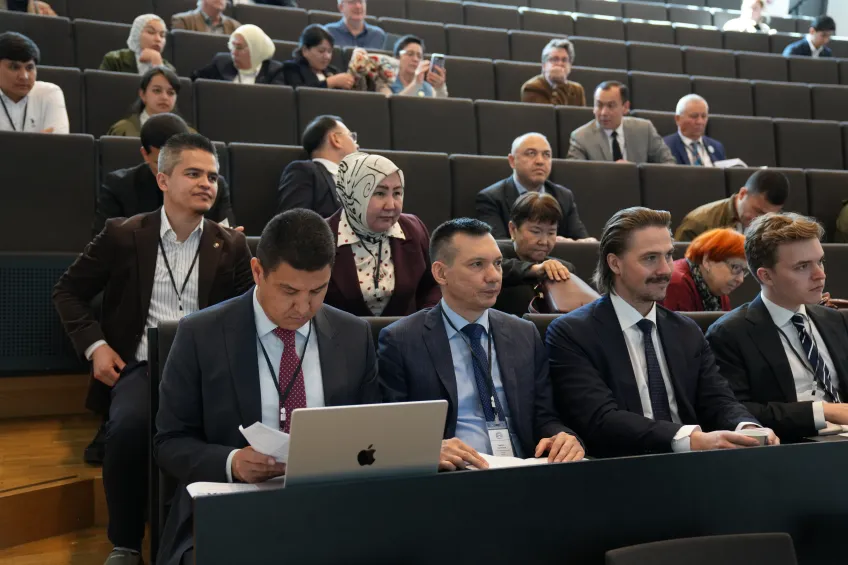
The first day featured panels on knowledge production, coloniality, and the lived experiences of migrants. First panel of the day explored historical and academic frameworks, covering topics such as 18th-century prisoners of war (Lisa Hellman), the Soviet conceptualisation of Oriental women (Yulia Gradskova), and the dismantling of coloniality within Kazakhstani academia (Sirke Makinen). It also addressed Central Asia’s relationship with Russia during the transition from the Yeltsin to the Putin era (Jeremy Smith).
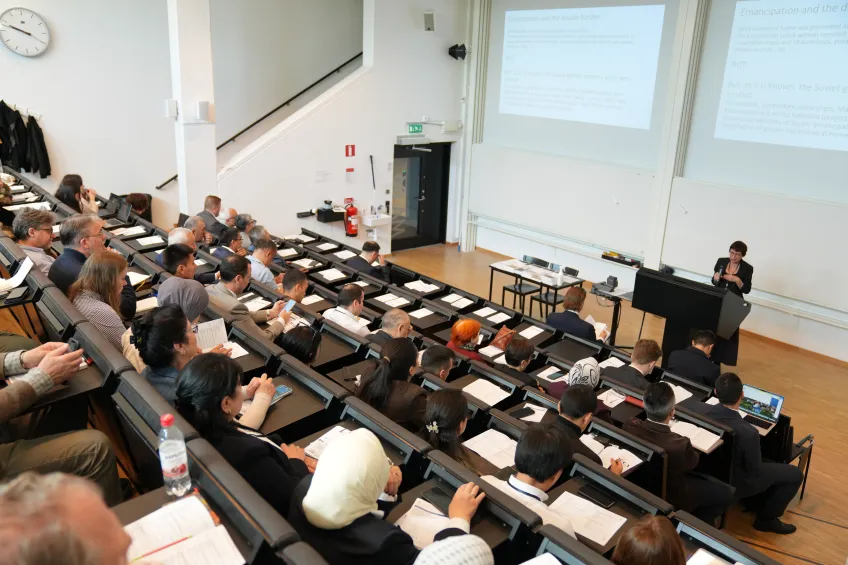
Second panel focused on the human and social dimensions of the region, and discussed worldbuilding in 21st-century Kyrgyzstan (Maria Louw), ethnic Kyrgyz migration in the Pamir Mountains (Paul Fryer), and the experiences of Central Asian migrants in Nordic countries (Sherzod Eraliev). It also looked at professional development experiences of Uzbek educators in Finland (Ilkhom Khalimzoda).
The next socio-legal panel analysed institutional reforms, including administrative law reform (Tolibjon Mustafoev) and judiciary reform (Dilaver Khamzaev) in Central Asia. It also examined citizen mobilisation during Kazakhstan's nuclear power referendum (Kristiina Silvan) and socio-legal approaches to crime prevention and corruption in Uzbekistan (Patrik Olsson).
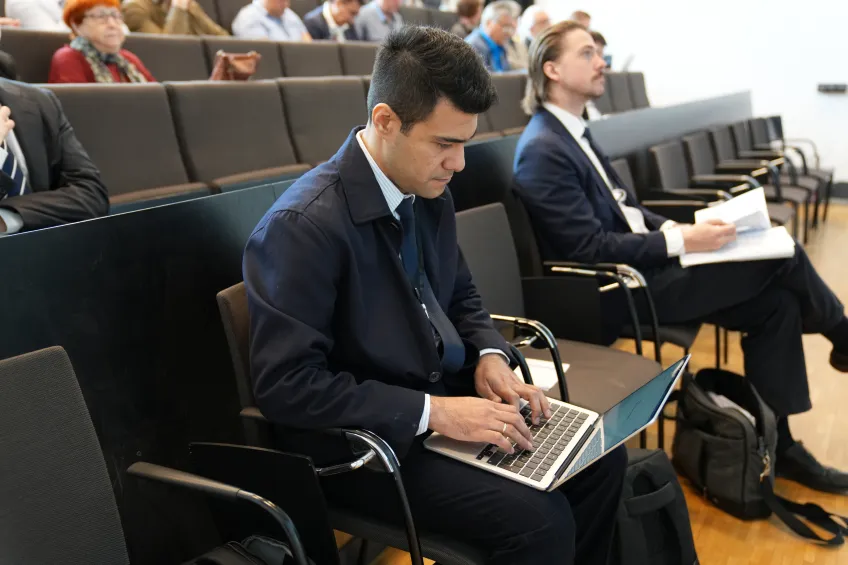
The last panel of the first day focused on economic and strategic issues, such as Uzbekistan's market-state-society nexus (Kobil Ruziev), critical raw materials (Anni Kangas), and Kazakhstan’s navigation of Caspian Sea cooperation following the invasion of Ukraine (Kristin Fjæstad). It also explored how non-verbal diplomacy shapes Central Asian agency (Timur Dadabaev).
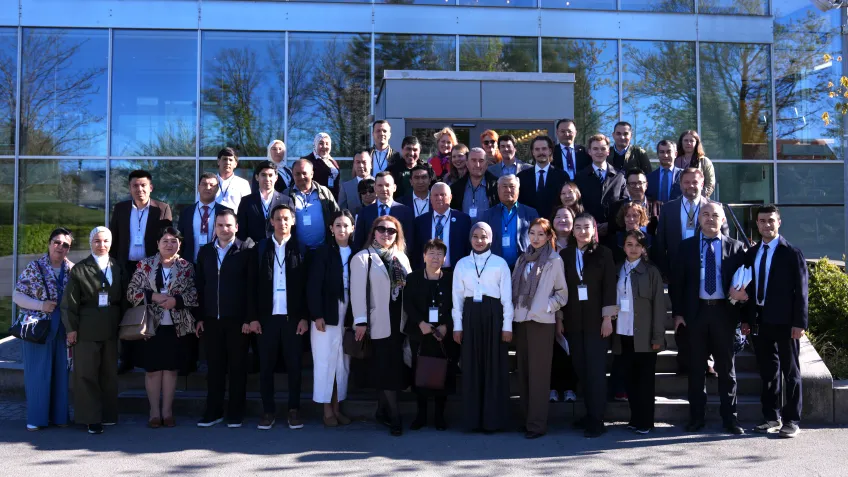
The second day focused on the infrastructure of the field and included a high-level policy panel. This session was designed to connect academic research with real-world governance challenges and policy needs. The Policy Panel, moderated by Professor Rustamjon Urinboyev, opened the day. This session fostered dialogue between researchers and high-level policymakers. Speakers included representative from the Swedish MFA (Fabian Modin) as well as the Ambassador of Sweden to Kazakhstan (Stefan Eriksson), the Ambassador of Uzbekistan to Sweden (Rakhmatulla Nurimbetov), and officials from the MFA of Turkmenistan (Kemal Atayev) and Uzbekistan (Zokir Saidov). The participants in this session emphasised that Central Asia's growing global significance in trade, energy, and geopolitics requires a more coordinated and nuanced approach to partnerships. Throughout the dialogue, the representatives encouraged close collaboration between Nordic and Central Asian countries across diverse sectors.
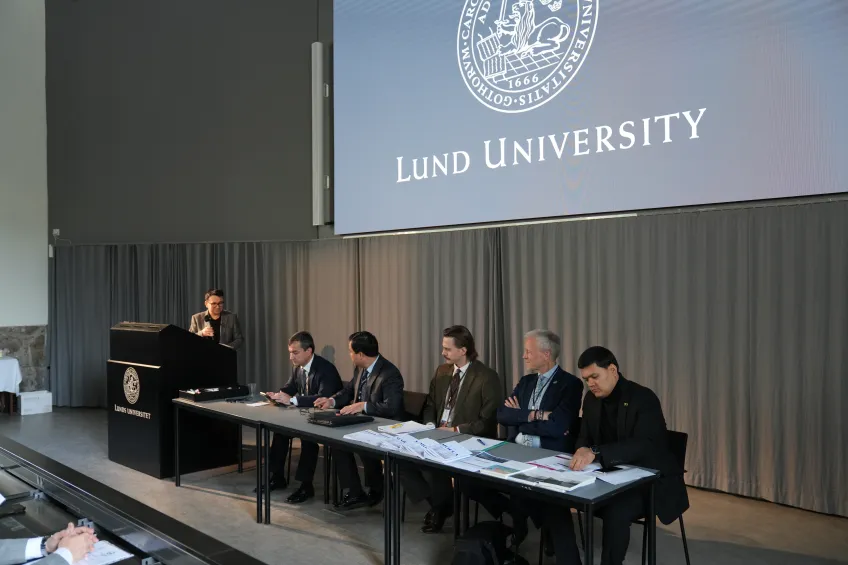
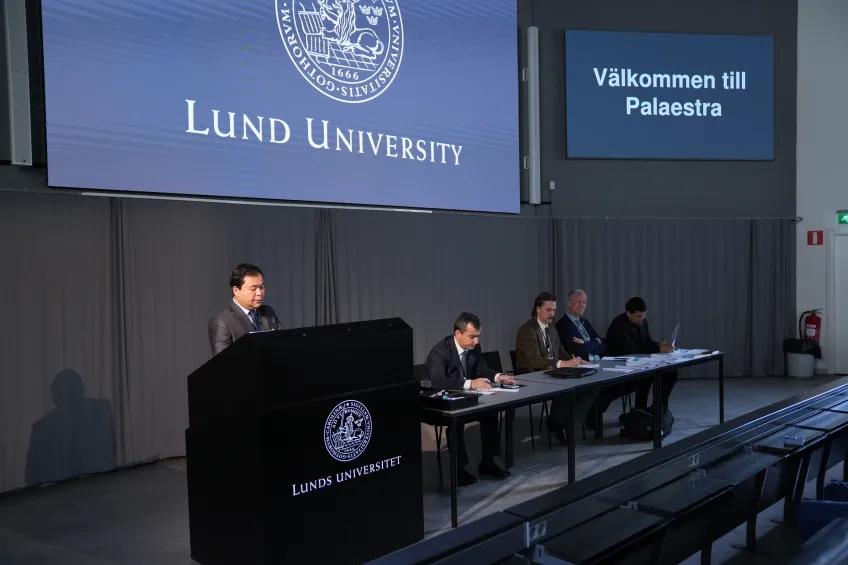
Followed panel focused on the infrastructure of the field itself, re-thinking regional transformations (Peter Finke) and mapping the Nordic Network for Central Asian Studies (Tuychi Rashidov & Edward Lemon). Discussions also covered Nordic socio-legal studies (Rustamjon Urinboyev) and informal coordination mechanisms in regional cooperation (Nizomiddin Rajabboev).
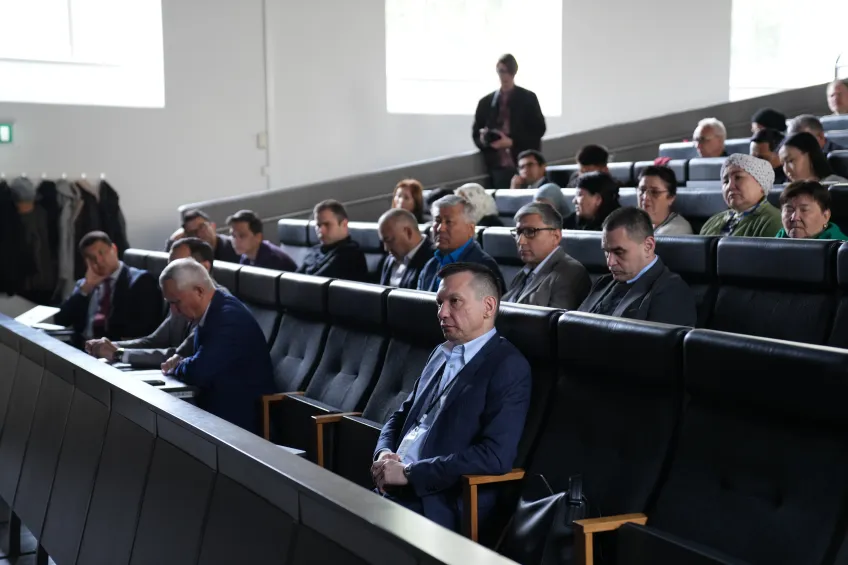
Last panel of the workshop dedicated to the practicalities of research. This session addressed methodological opportunities arising from current geopolitical conflicts (Jeremy Morris) and notes on studying authoritarian regimes (Bo Petersson & Derek Hutcheson). It also highlighted available resources for scholars in Istanbul (Olof Heilo & Patrick Hällzon) and writing issues in Turkic states (Birsel Karakoç).
Strategic Partnerships and Funding
The workshop was made possible through the support of the Riksbankens Jubileumsfond (RJ), complemented by resources from ongoing EU-funded projects, including MOCCA, MARS, and POLCA. Professor Urinboyev also extended special gratitude to Olof Heilo, Director of the Swedish Research Institute in Istanbul, for his instrumental role in initiating the conversations that led to this grant.
Future Outlook
The event concluded with a strategic session focused on building trust and exploring possibilities for joint publications and funding applications. This workshop in Lund is the first step in a broader initiative that will include a follow-up workshop in November 2026, where the network will move toward practical outcomes, such as joint research proposals and long-term institutional cooperation.
About NORCA
The Nordic Central Asian Studies Research Environment (NORCA) is an interdisciplinary research initiative based at the Sociology of Law Department at Lund University. It brings together scholars working on socio-political and legal challenges in Central Asia to foster dialogue and coordinated research.